Hotline: 036.3738.390 vpmagroup@gmail.com 08:00 – 20:00, Monday – Sunday

New approaches to insect control

Technologies and methods: Wolbachia, attractive targeted sugar baits, emanators, genetic control.

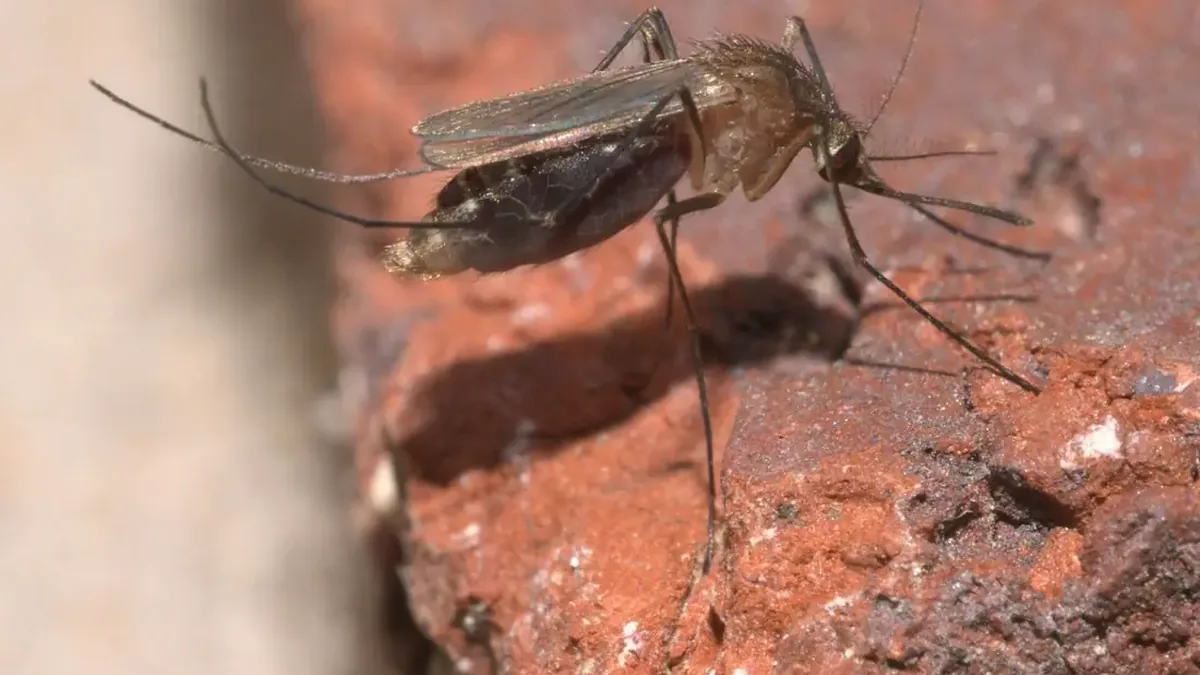
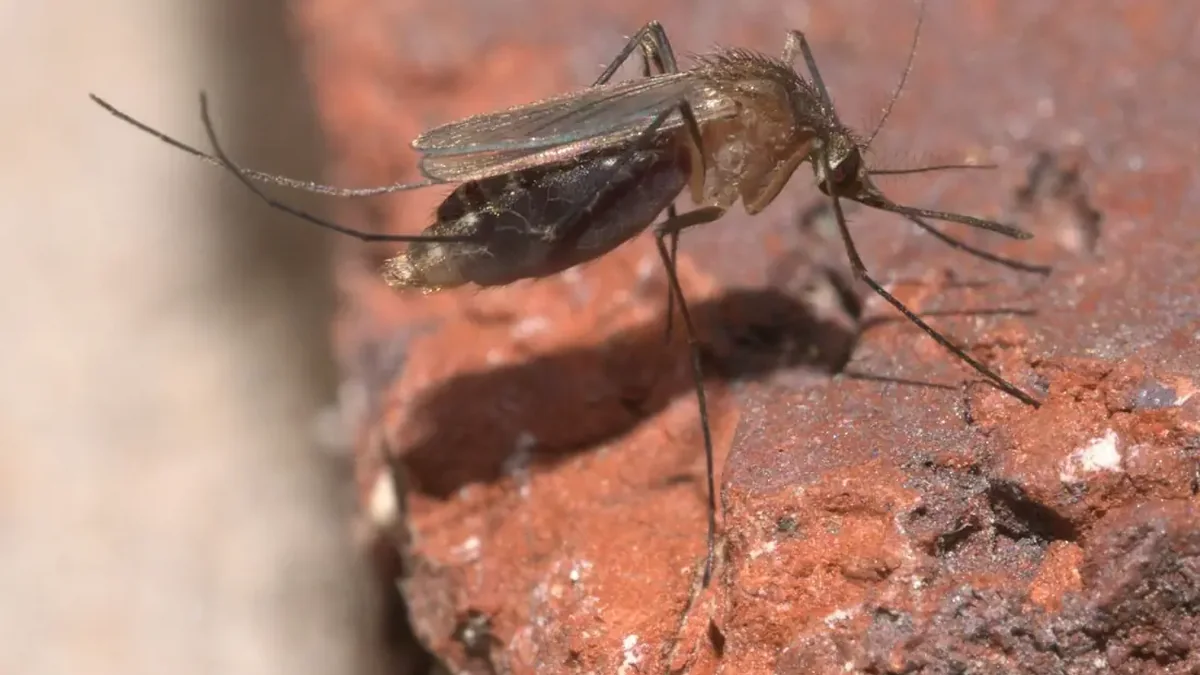
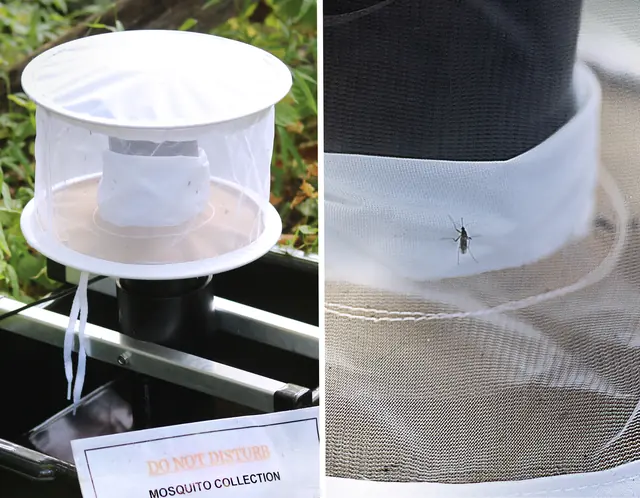
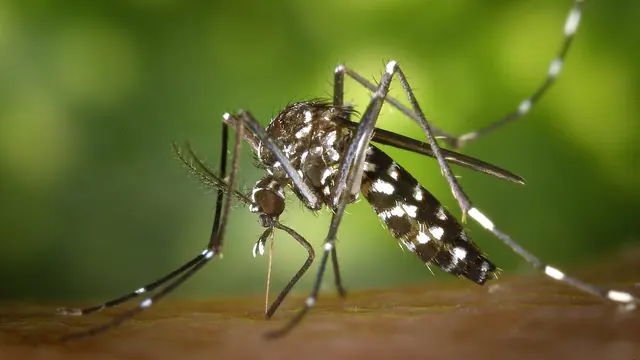
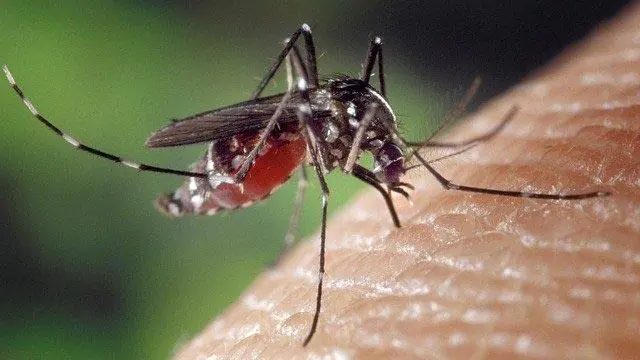
Ảnh muỗi Anopheles đã có trên website Hội, minh họa; không phải ảnh tại Sierra Leone
New approaches10/10/2026

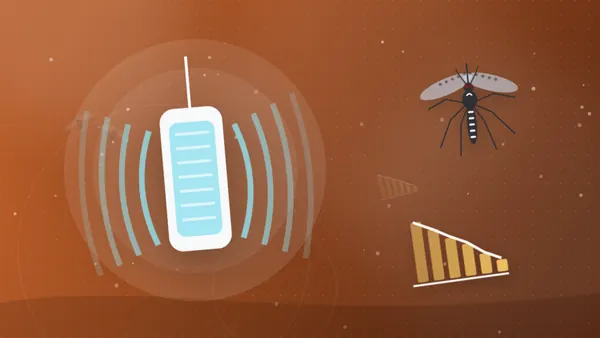
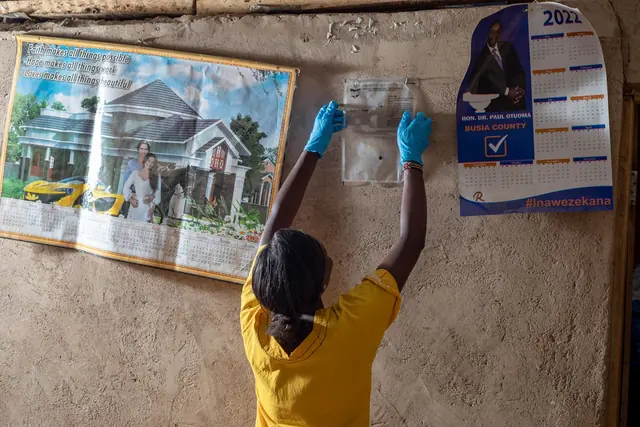
Sierra Leone places 101,862 spatial emanators in homes from 6 to 20 October 2026, adding a layer of protection against malaria mosquitoes

The Times Sierra Leone published an article by a health promotion officer of Sierra Leone’s Ministry of Health: from 6 to 20 October 2026 the Ministry, through the National Malaria Control Programme and partners, is deploying 101,862 spatial emanators in Sittia and Dema chiefdoms (Bonthe District) and Yoni Mabanta and Poli chiefdoms (Tonkolili District).

Source: The Times Sierra Leone
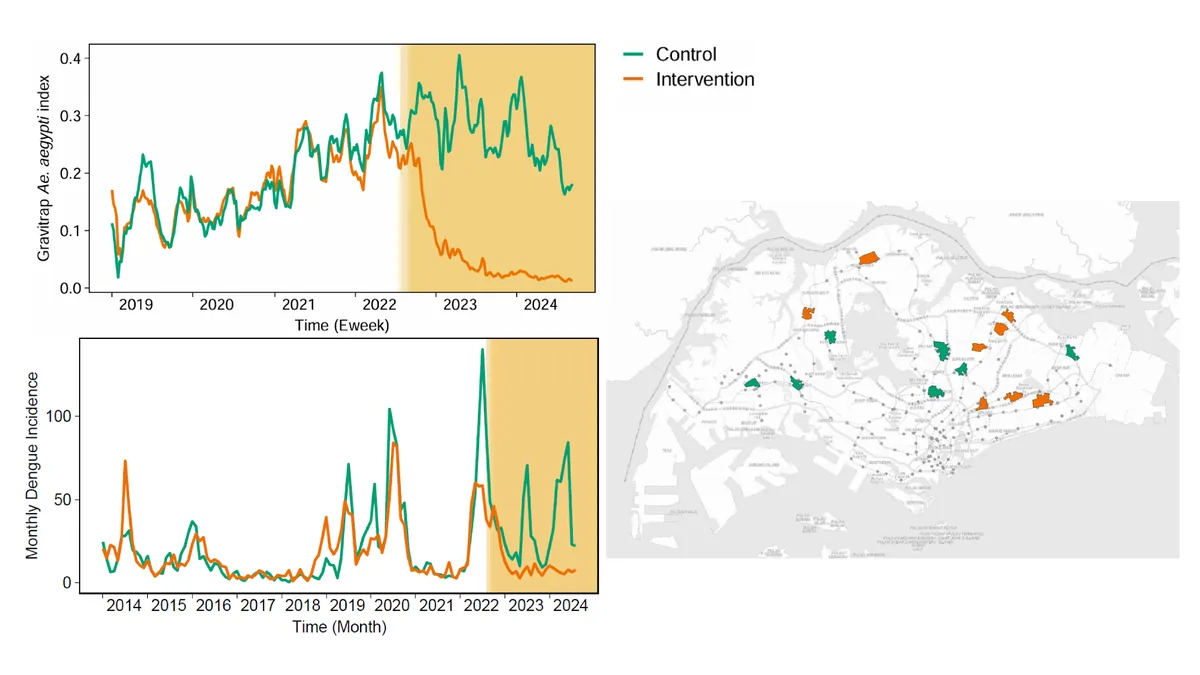
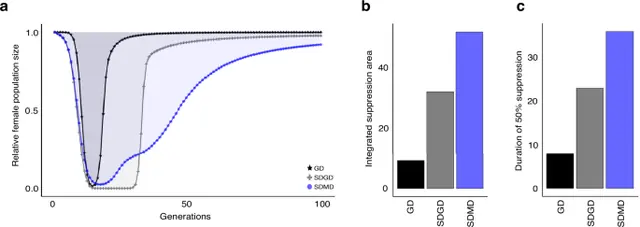
Biểu đồ chỉ số muỗi Aedes aegypti, tỷ lệ mắc sốt xuất huyết hằng tháng và bản đồ các cụm thử nghiệm, Hình 2 bài eBioMedicine
New approaches8/10/2026

eBioMedicine: releasing irradiated Wolbachia male mosquitoes (IIT-SIT) in Singapore cut dengue incidence, with an estimated 2,351 cases averted

eBioMedicine (volume 132, October 2026) has published the second set of results from a cluster-randomised trial led by the Environmental Health Institute of Singapore’s National Environment Agency (NEA): residential clusters where male Aedes aegypti carrying Wolbachia were released had clearly lower dengue incidence than control clusters.

Source: eBioMedicine
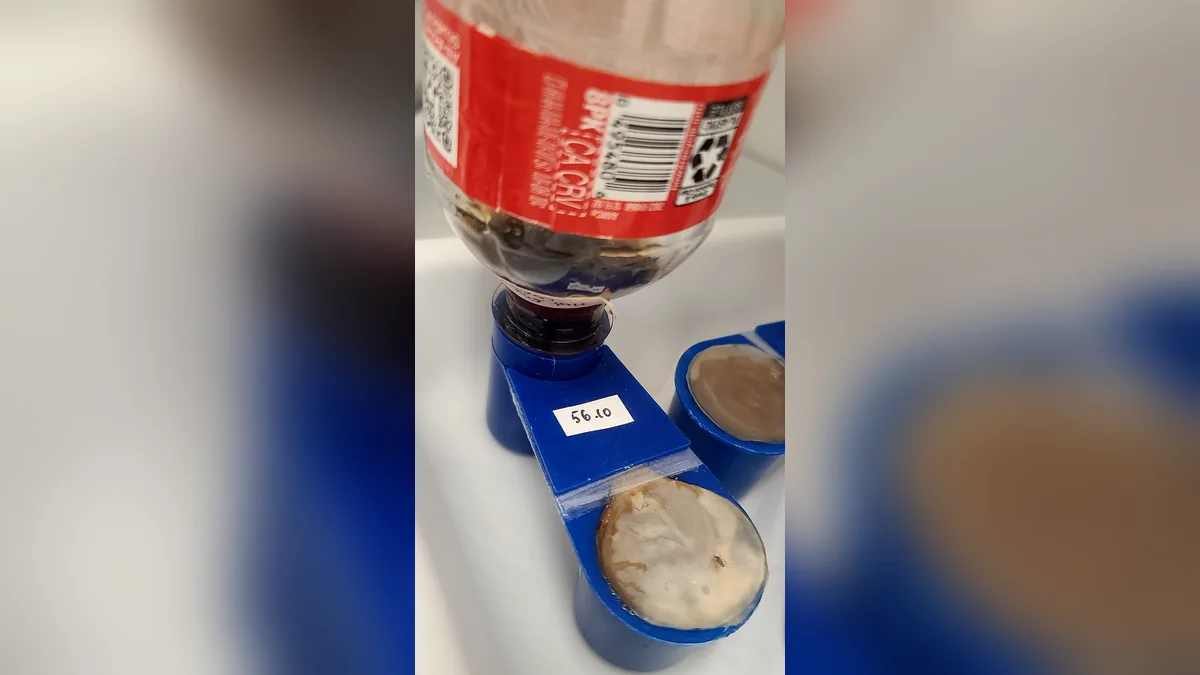
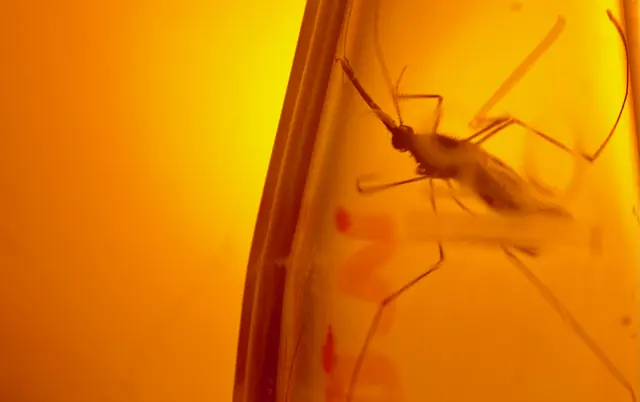
Mẫu dụng cụ cho muỗi ăn bả làm từ chai nước ngọt, ảnh tiêu biểu bài PLOS NTDs
New approaches8/10/2026

PLOS NTDs: a soda sugar bait with RNAi yeast killed 94–100% of Aedes, Anopheles and Culex mosquitoes and stayed active for at least 14 months

A study published in PLOS Neglected Tropical Diseases on 21 September 2026 (Indiana University School of Medicine, the University of Notre Dame and the University of the West Indies in Trinidad and Tobago) tested attractive targeted sugar baits (ATSBs) containing the genetically engineered yeast strain Sh.463, which produces RNAi molecules, in three baits: soda (Coca-Cola), 10% sucrose and the commercial mosquito bait BaitStab.

Source: PLOS Neglected Tropical Diseases
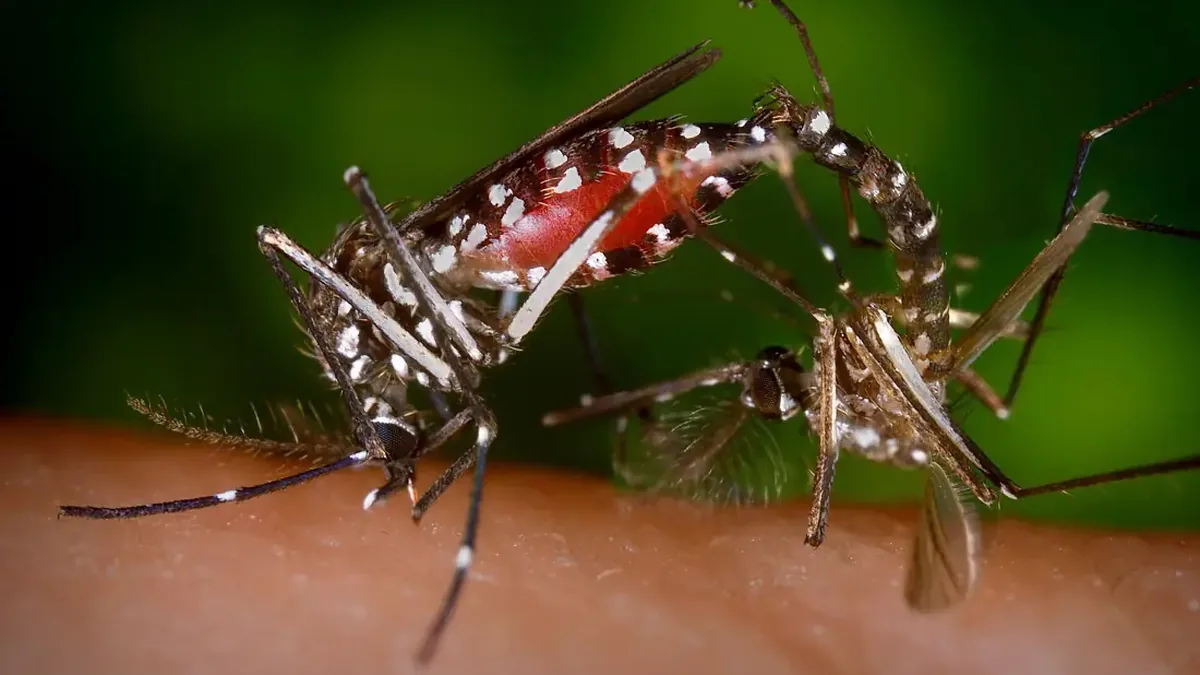
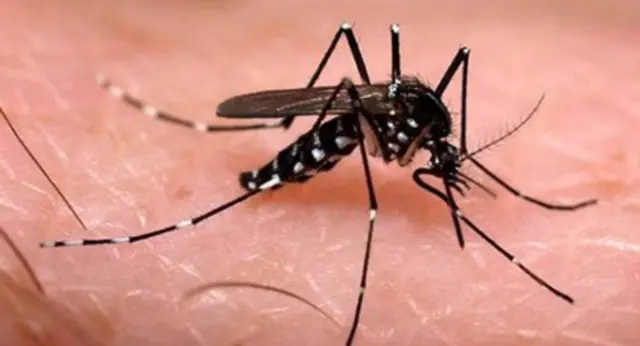
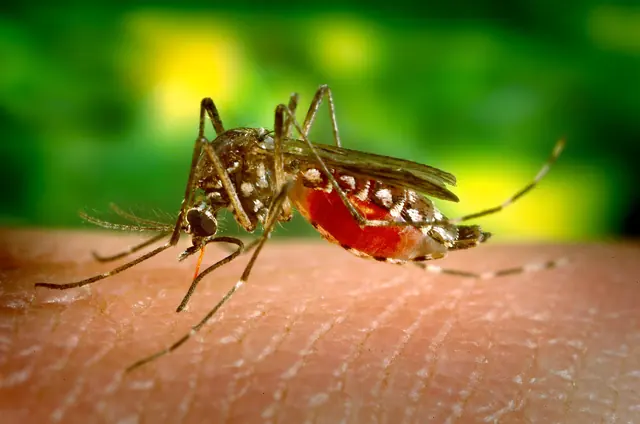
Ảnh một cặp muỗi Aedes albopictus đã có trên website Hội, minh họa; không phải ảnh của Bee Safe
New approaches7/10/2026

USA: a small Maryland mosquito control company released 600,000 Wolbachia male mosquitoes on 25 properties; 21 customers renewed

The Daily Record (Maryland) published a Washington Post story on 1 October 2026: Bee Safe Mosquito Control (Silver Spring) is among the first companies in the USA to sell Wolbachia male mosquito releases directly to households. In summer 2026 it released 600,000 mosquitoes across 25 properties in Maryland and Washington, D.C.

Source: The Daily Record
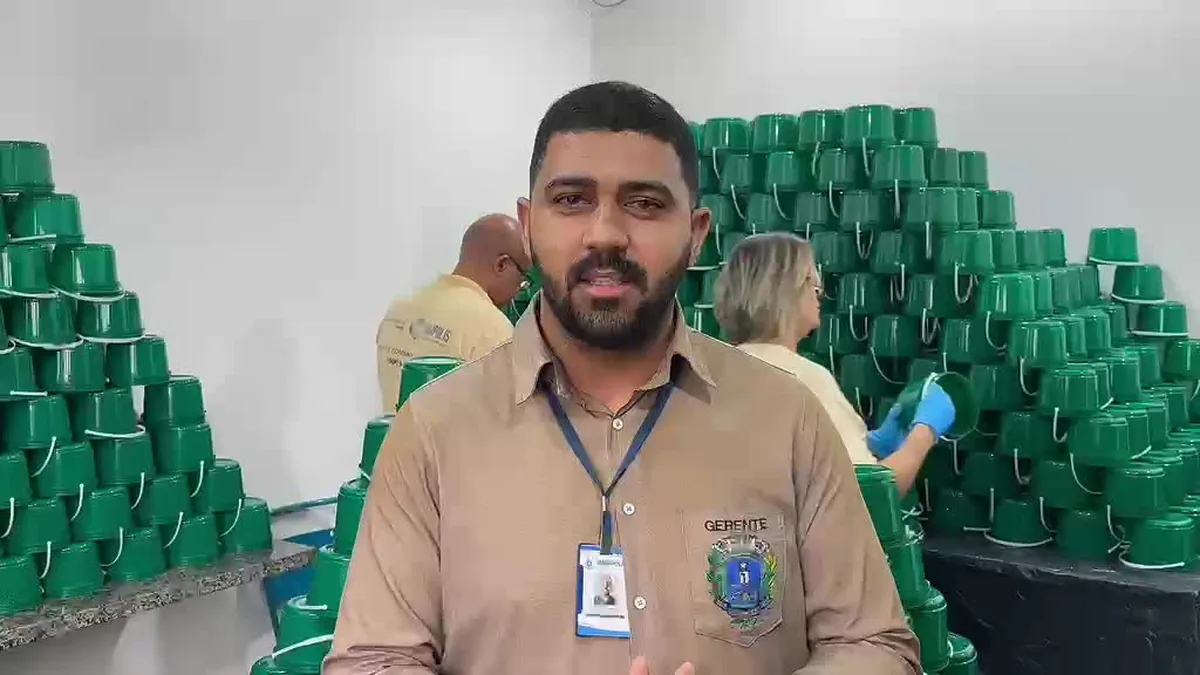
Hộp thả trứng muỗi mang Wolbachia xếp chồng tại Anápolis, ảnh cắt từ video kèm bài Jornal Opção
New approaches7/10/2026

Brazil: Anápolis starts placing Wolbachia mosquito egg-release devices at more than 5,000 sites, expecting results after at least two years

The City of Anápolis (Goiás state, Brazil) announced on 5 October 2026 that it has started the Wolbachia method, with a launch at the Municipal Theatre attended by representatives of Brazil’s Ministry of Health, Fiocruz, Wolbito do Brasil and the Goiás state government. More than 5,000 sites have been mapped for containers holding eggs of Wolbachia-carrying Aedes aegypti.

Source: Prefeitura de Anápolis
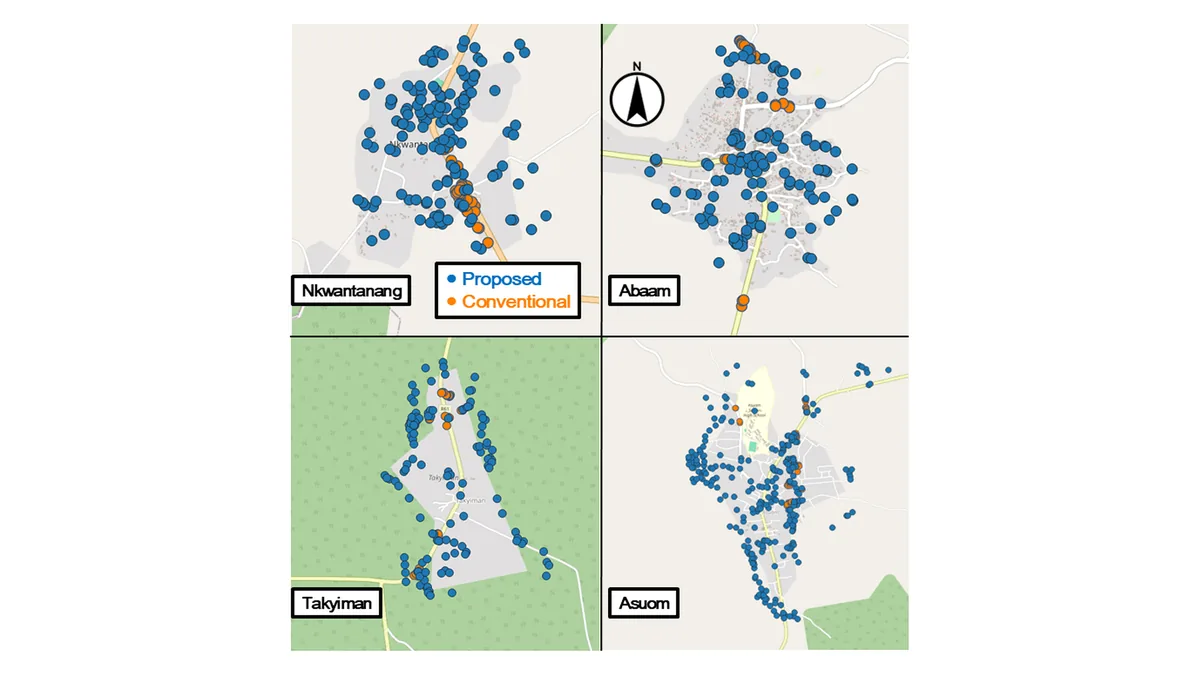
Bản đồ điểm nước phát hiện bằng phương pháp mới và cách thủ công tại bốn tiểu khu, Hình 3 bài PLOS ONE
New approaches6/10/2026

Ghana: drone mapping and AI selection of high-risk water bodies found more than three times as many sites and cut larvicide use by over 60%

A paper of 4 February 2026 in PLOS ONE evaluated larval source management (LSM) using drone imagery and an AI model that ranks the risk of water bodies, in eight sub-districts of Kwaebibirem District, Eastern Region, Ghana: identified breeding sites rose more than threefold, larvicide use fell by over 60% and labour by about 50%. Malaria case trends were comparable with control sub-districts.

Source: PLOS ONE
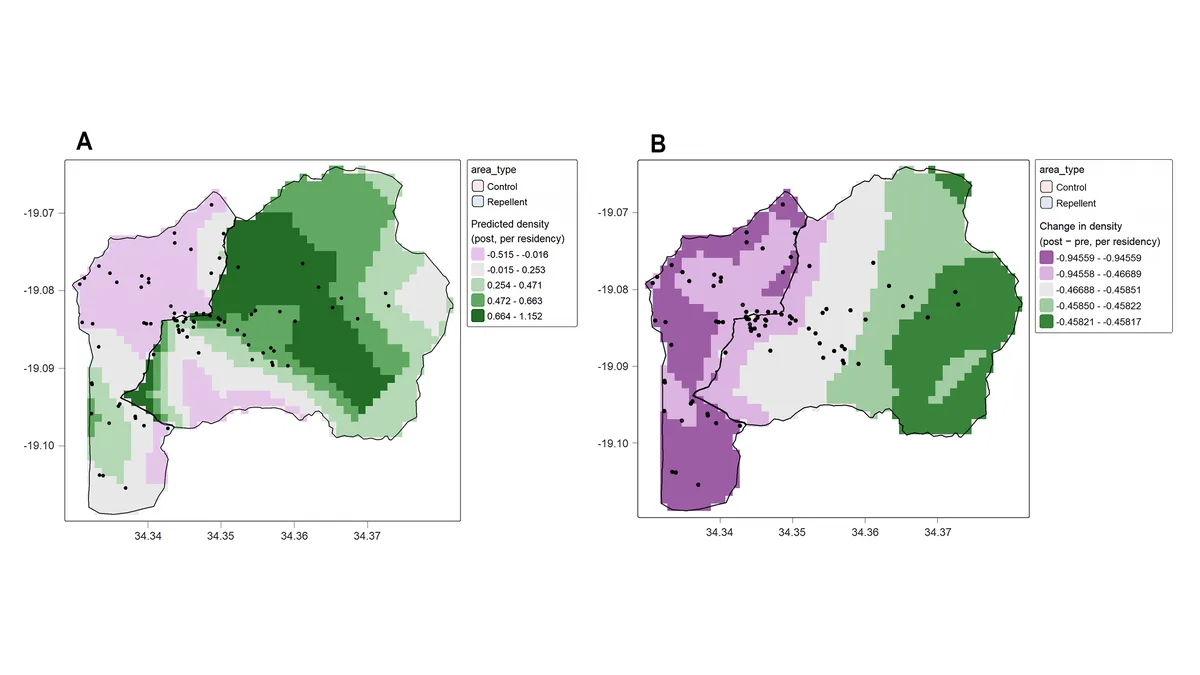
Bản đồ mật độ muỗi dự đoán sau can thiệp và mức thay đổi, Hình 5 bài PLOS ONE
New approaches6/10/2026

Mozambique: IR3535 sprayed as a spatial repellent nearly halved malaria mosquitoes caught indoors, but lower transmission is not proven

A paper of 30 July 2026 in PLOS ONE: a randomised trial in Tambai, central Mozambique, sprayed IR3535 as a spatial repellent in 40 households and compared them with 40 control households. Indoors, 765 female An. funestus were caught in the repellent group and 1,432 in the control group; 18.6 versus 35.0 per household on average. Malaria prevalence in children under five fell similarly in both groups.

Source: PLOS ONE
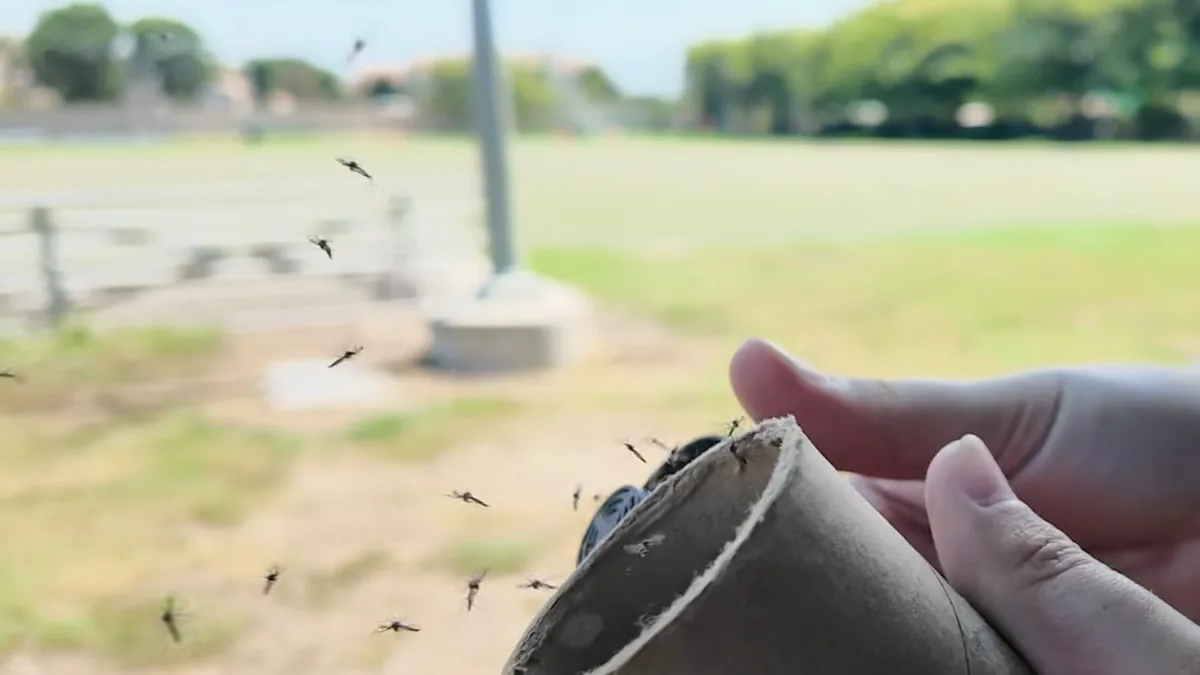
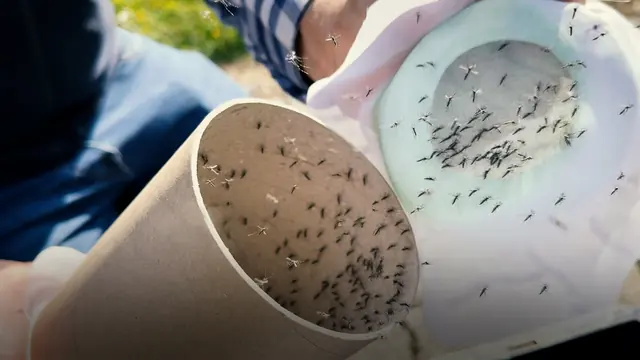
Thả muỗi đực mang Wolbachia từ ống giấy, ảnh Climate Central trong bài The Guardian
New approaches5/10/2026

California: San Gabriel Valley releases nearly half a million male mosquitoes carrying Wolbachia to cut Aedes aegypti

The Guardian reported on 17 September 2026 (a Climate Central story) that the San Gabriel Valley Mosquito and Vector Control District, east of Los Angeles, is releasing about 30,000 male Aedes aegypti carrying Wolbachia bacteria each week, nearly half a million in all. Males do not bite; eggs from wild females that mate with them do not hatch.

Source: The Guardian
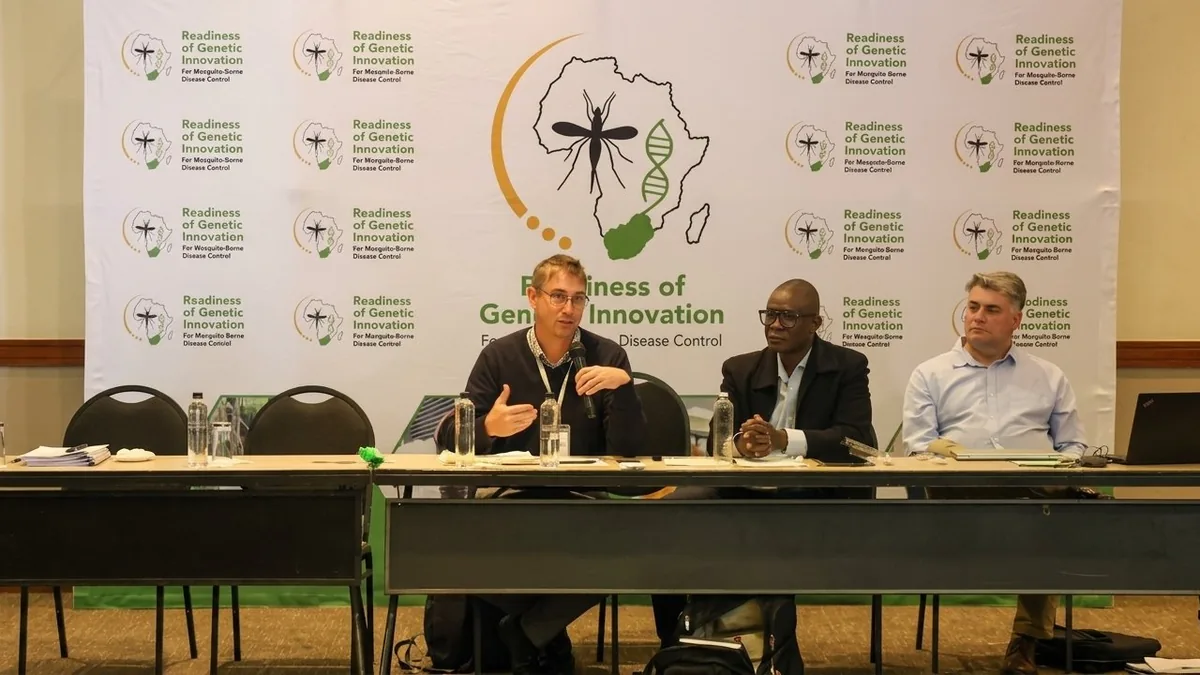
Đại biểu tại hội thảo SIT của Wits Health Consortium ở Johannesburg, ảnh trong bài Đại học Wits
New approaches5/10/2026

South Africa: Africa’s first sterile-male (SIT) release of Anopheles arabiensis reduces the target malaria-mosquito population

Wits University reported on 8 September 2026 that the SIT programme of the National Institute for Communicable Diseases (NICD) and Wits ran a 12-week trial in Mamfene, KwaZulu-Natal, releasing about 50,000 sterile males every two weeks. The target population declined during releases and rebounded when they stopped. The findings are not yet published or peer-reviewed.

Source: Wits University
Ảnh muỗi đã có trên website Hội; trang WHO không có ảnh chụp
New approaches4/10/2026

WHO PQT/VCP: guidance on long-term community studies for insecticide-treated nets (ITNs)

WHO Prequalification of Vector Control Products updated on 2 June 2026 Module 5 – Long-term community studies for ITNs (Implementation guidance of August 2025, revised 2 June 2026). ITNs must show durability and entomological efficacy under about 36 months of routine use, with chemical–physical analyses and semi-field efficacy at months 0, 12, 24 and 36.

Source: WHO PQT/VCP
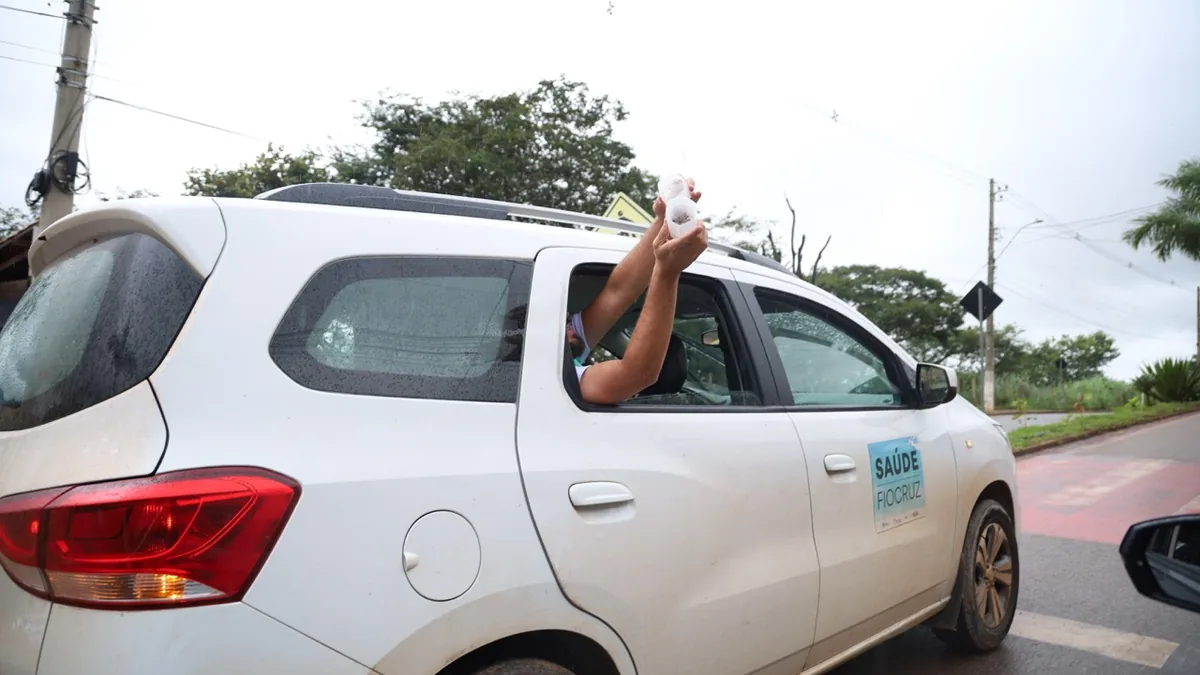
Thả muỗi Wolbachia tại Brumadinho, ảnh World Mosquito Program và Fiocruz
New approaches4/10/2026

Brazil: Paraopeba Basin Wolbachia project starts in Brumadinho, aiming to protect more than 1.1 million people

The World Mosquito Program reported on 16 April 2026 that a five-year project in the Paraopeba River Basin (Minas Gerais) began releases in Brumadinho — the first of 22 planned municipalities. The project aims to protect more than 1.1 million people over about 350 km²; a Wolbachia biofactory in Belo Horizonte (Gameleira) is expected to produce about two million mosquitoes a week with Fiocruz and the state health secretariat.

Source: World Mosquito Program
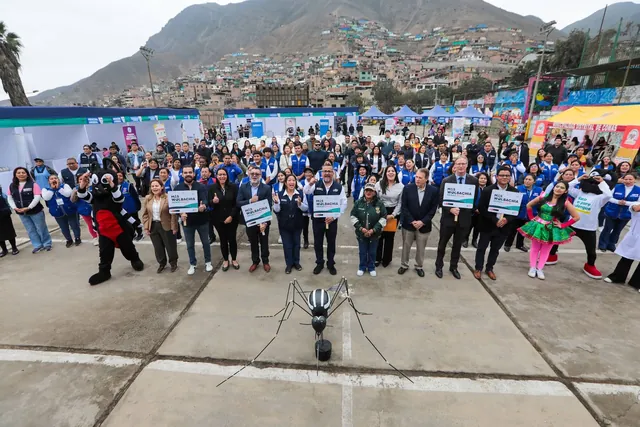
Minh họa quận ven đồi Lima, muỗi Wolbachia và hợp tác bộ y tế
New approaches3/10/2026

Peru: the Ministry of Health leads a Wolbachia programme in Comas (Lima) under WMP’s full partnership model

The World Mosquito Program reported on 17 August 2026 that in Comas, northern Lima, Peru’s Ministry of Health (MINSA) leads a Wolbachia programme with WMP, the Puerto Rico Science, Technology and Research Trust and the US CDC. Peru is the first country to adopt WMP’s Strategic Partnership Model in full. MINSA authorised the strategy by Ministerial Resolution No. 485-2025-MINSA.

Source: World Mosquito Program
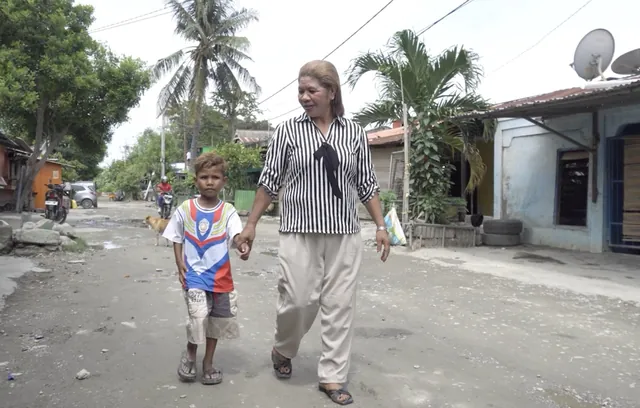
Minh họa thả muỗi Wolbachia tại thủ đô ven biển và nhóm cộng đồng
New approaches3/10/2026

Timor-Leste: Wolbachia releases cover about 240,000 people in urban Dili

The World Mosquito Program reported on 11 August 2026 that releases in Dili covered the entire urban population, about 240,000 people over about 20 km², with the Ministry of Health, Action on Poverty and the Menzies School of Health Research, supported by the Australian Government (ANCP) and the Macquarie Group Foundation.

Source: World Mosquito Program
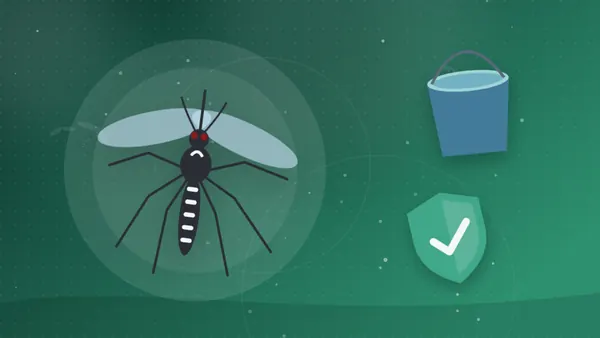
Minh họa xô và dụng cụ chứa nước cùng trứng muỗi và muỗi vằn
New approaches1/10/2026

Empty standing water every week: a children’s search for mosquito egg sites

VectorIS, citing CDC, notes that mosquitoes bite day and night and lay eggs where water is held. With an adult, children can each week empty, scrub, turn over or cover tyres, buckets, toys, tanks, bird baths, pot saucers and bins. They should not handle chemicals themselves.

Source: VectorIS
Full article: Vietnamese
Minh họa bẫy gặm nhấm, biểu tượng bịt kín và tài liệu hướng dẫn
New approaches1/10/2026

Rodents indoors: seal holes and cut off food — EPA advice before setting traps

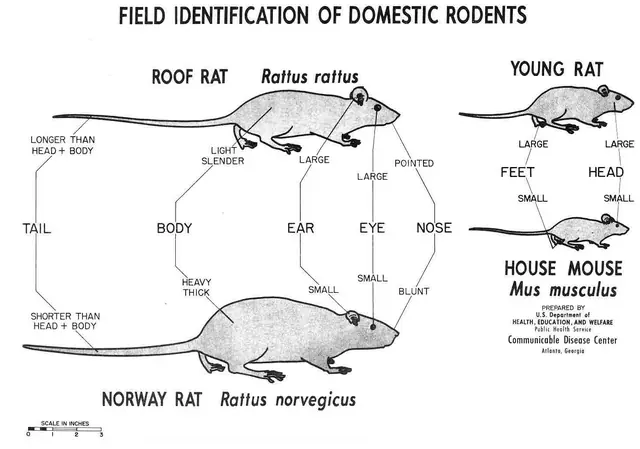
A VectorIS item citing EPA says rodents may not be seen until numbers are already high. Signs include droppings, nests, gnawed packaging, holes in walls or floors, and odour. Prevention means sealing holes (steel wool can be used), clearing nest sites, and cutting off food and water.

Source: VectorIS
Full article: Vietnamese
No matching item.

← All sections