Hotline: 036.3738.390 vpmagroup@gmail.com 08:00 – 20:00, Monday – Sunday

Research

Short summaries of new papers on insects, chemicals and vector-borne disease.

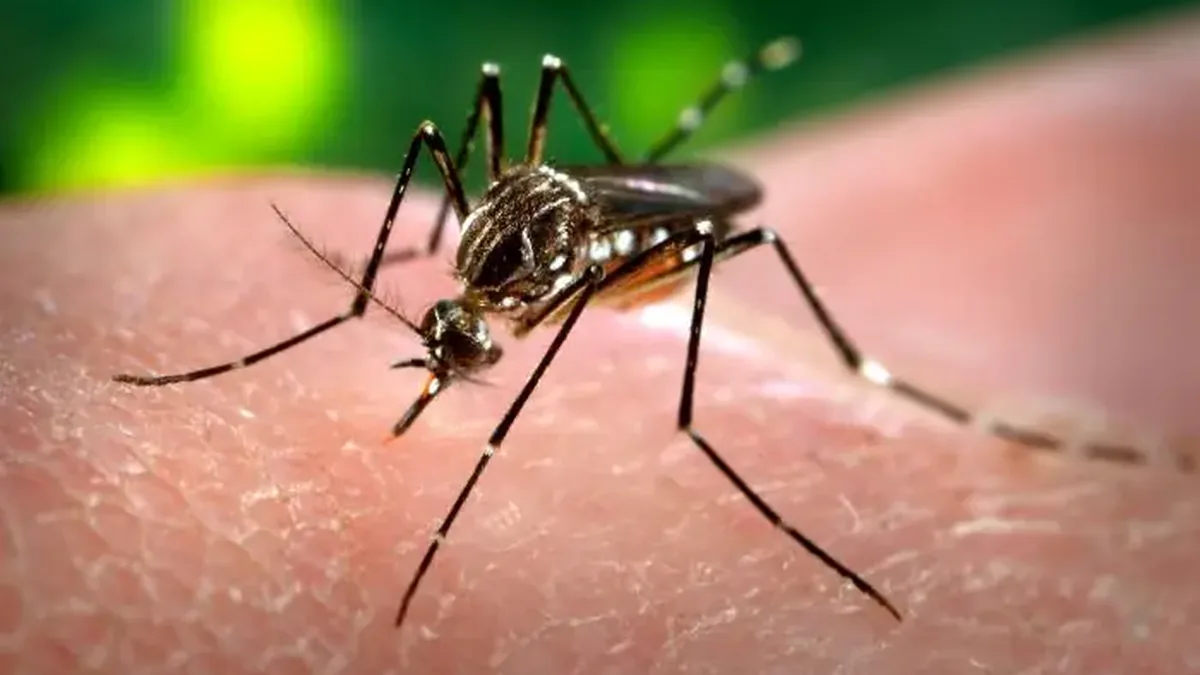
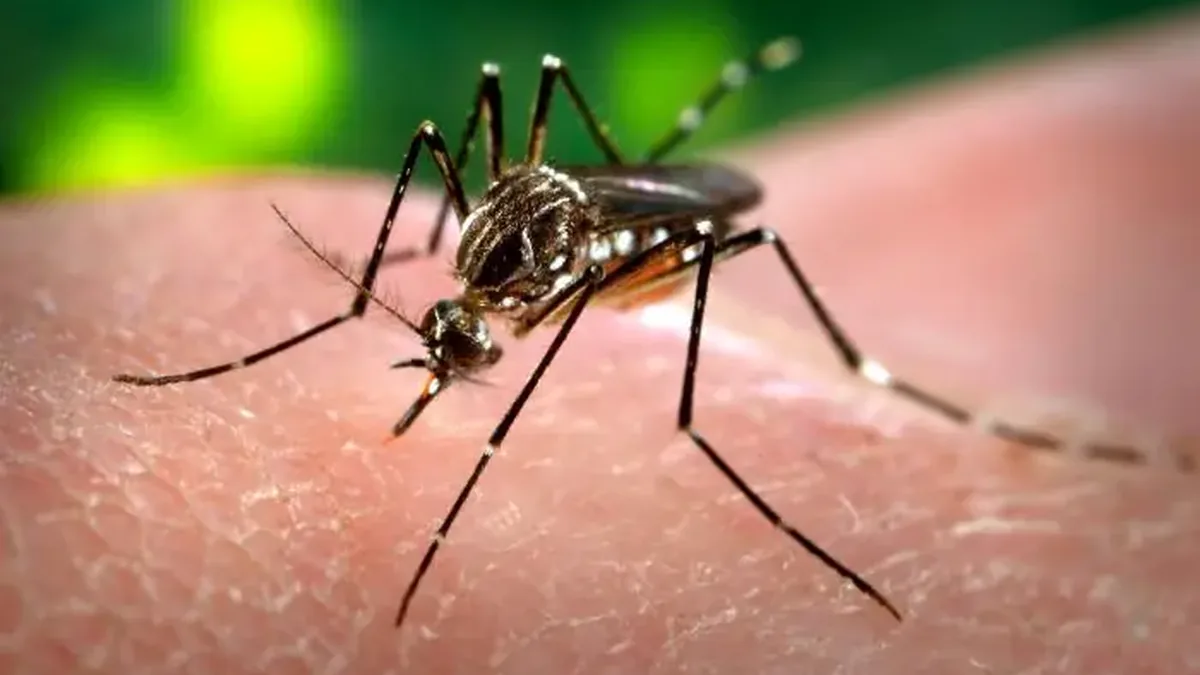
Ảnh muỗi Anopheles đã có trên website Hội, minh họa; không phải ảnh của nghiên cứu
Research13/10/2026
InsectsVector-borne disease

Study in Benin: Anopheles coluzzii mosquitoes resist deltamethrin and alpha-cypermethrin, with stronger resistance in farming areas with heavy pesticide use

A study published in Tropical Medicine and Health on 20 September 2026 (featured by MalariaWorld on 8 October 2026) assessed pyrethroid resistance in Anopheles coluzzii collected in southern Benin, from two agricultural areas (Sèmè-Kpodji, Abomey-Calavi) and one non-agricultural urban area (Yenawa).

Source: MalariaWorld
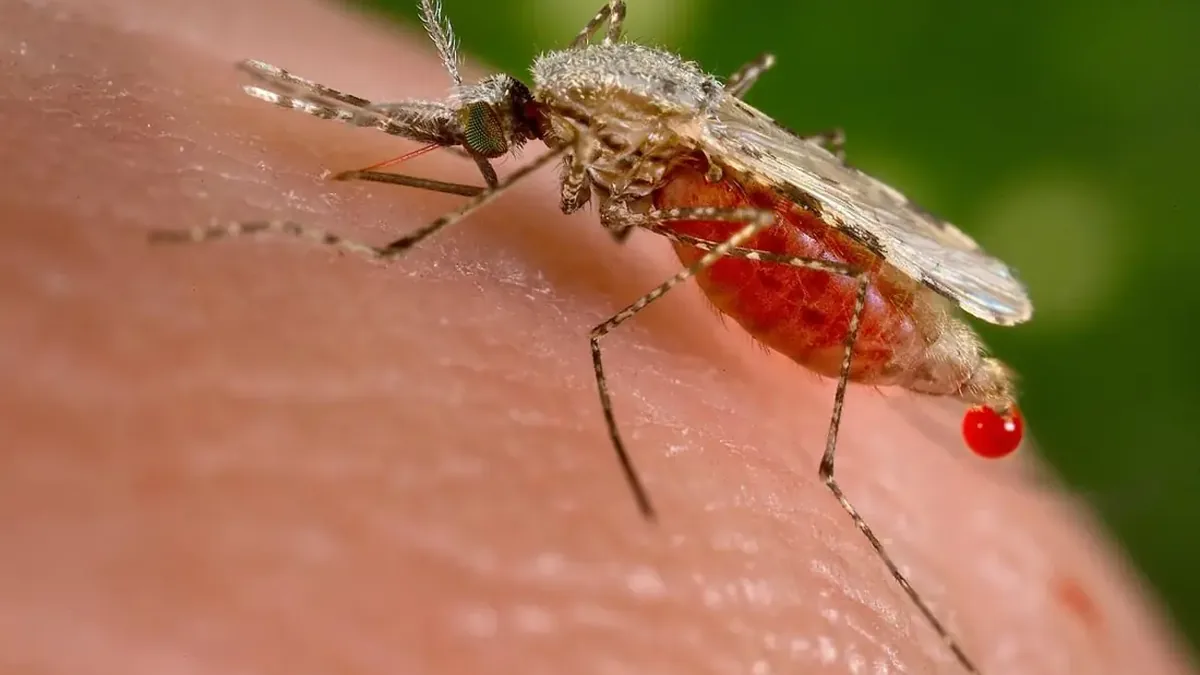
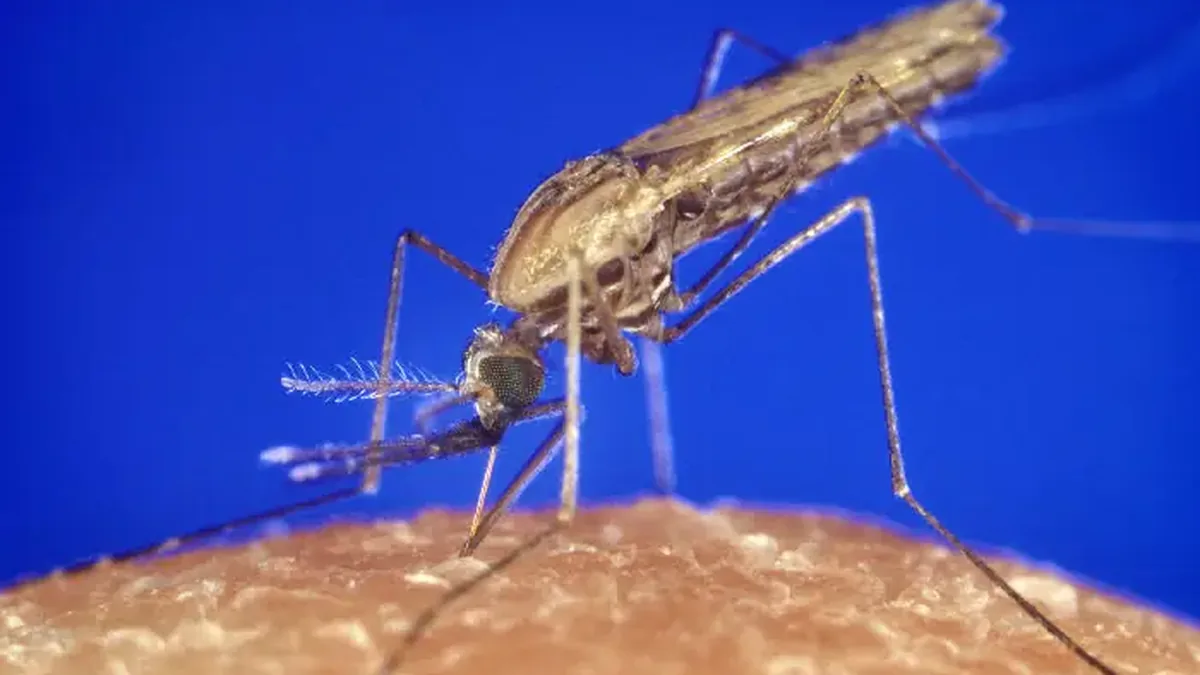
Ảnh muỗi Anopheles đã có trên website Hội, minh họa; không phải ảnh của bài tổng quan
Research13/10/2026
InsectsVector-borne disease

Review in the Journal of Vector Borne Diseases: the global status of insecticide resistance in malaria mosquitoes to pyrethroids, organochlorines, carbamates and organophosphates

A review published in the Journal of Vector Borne Diseases on 21 August 2026 (featured by MalariaWorld on 8 October 2026) summarises the current situation and geographical patterns of insecticide resistance in malaria vectors and the consequences for malaria control.

Source: MalariaWorld
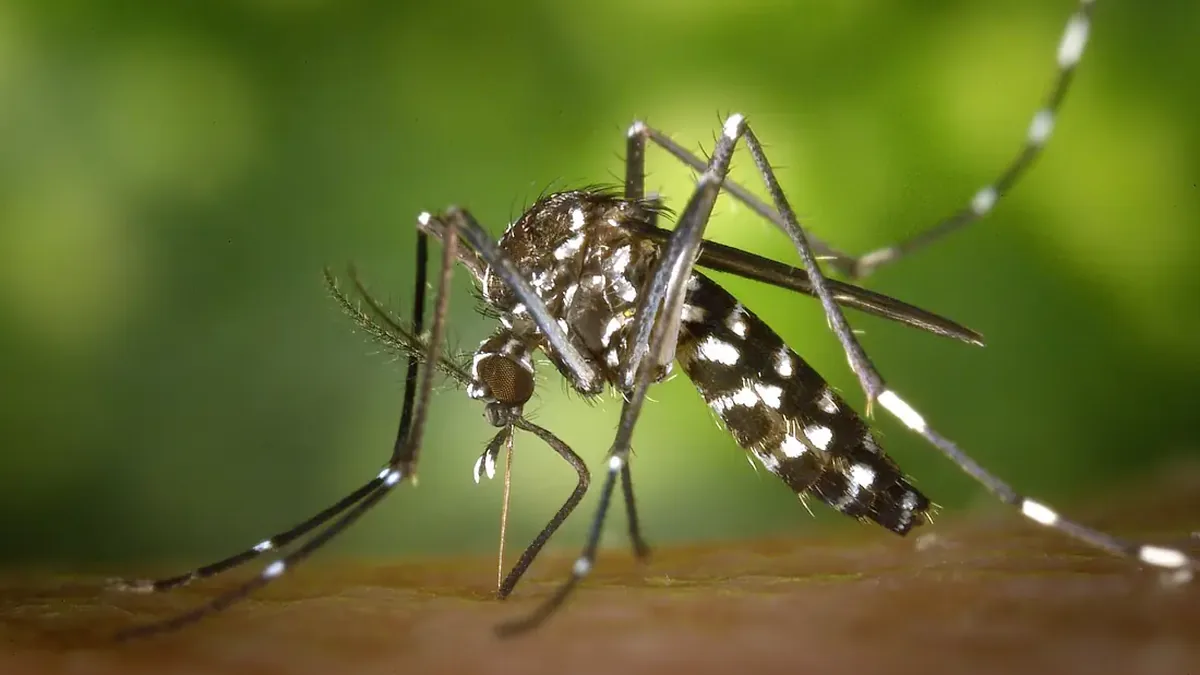
Ảnh muỗi Aedes albopictus đã có trên website Hội, minh họa; không phải ảnh của nghiên cứu
Research10/10/2026
InsectsVector-borne disease

Communications Medicine: a machine learning model using satellite data shows areas suitable for Aedes mosquitoes expanded from 1970 to 2024, with rising risk in the US, the EU and China

A study published online in Communications Medicine on 8 October 2026 by authors from the CUNY Graduate School of Public Health and Health Policy, the US National Library of Medicine (NIH), New York University and the Zucker School of Medicine at Hofstra estimates global habitability for Aedes mosquitoes at high spatial resolution in five-year steps from 1970 to 2024.

Source: Communications Medicine
Ảnh muỗi Aedes aegypti đã có trên website Hội, minh họa; không phải ảnh của nghiên cứu
Research10/10/2026
InsectsVector-borne disease

Trials: Singapore publishes the protocol of a randomised trial releasing male Wolbachia mosquitoes (IIT-SIT) to curb active dengue clusters

On 1 October 2026 the journal Trials published a study protocol by the Environmental Health Institute of Singapore’s National Environment Agency (NEA) with the National University of Singapore and Nanyang Technological University: a randomised controlled trial in high-rise public housing estates to test whether releasing male Wolbachia-infected Aedes aegypti, on top of routine vector control, can curb the growth of dengue clusters.

Source: Trials
Ảnh muỗi Aedes aegypti đã có trên website Hội, minh họa; không phải ảnh của nghiên cứu
Research8/10/2026
InsectsChemicals

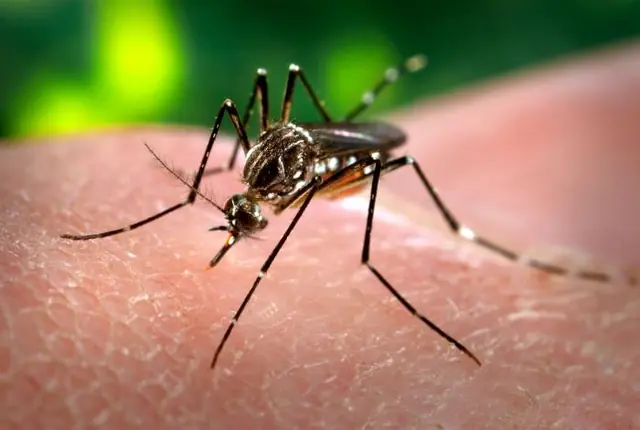
Parasites & Vectors: Aedes aegypti in Jamaica resist permethrin, deltamethrin and malathion at the same time, with 0% mortality at 30 minutes in some populations

A study published in Parasites & Vectors on 27 September 2026 by the University of the West Indies, Jamaica’s Ministry of Health and Wellness and the US CDC shows that Aedes aegypti from both urban (Kingston and St Andrew) and rural (Lances Bay, Hanover) Jamaica resist several insecticide classes: permethrin, deltamethrin and malathion.

Source: Parasites & Vectors
Ảnh muỗi Anopheles đã có trên website Hội, minh họa; không phải ảnh của nghiên cứu
Research8/10/2026
InsectsVector-borne disease

Parasites & Vectors: Anopheles mosquitoes on the Laos – Cambodia – Thailand border carry the ace-1 G119S organophosphate and carbamate resistance mutation at high frequency

A study published in Parasites & Vectors on 10 September 2026 (Naval Medical University, Shanghai, and the Yunnan Institute of Parasitic Diseases, with the participation of Lao PDR’s National Malaria Centre) identified 15 Anopheles species at four border sites between Laos, Cambodia and Thailand; in Anopheles peditaeniatus, the ace-1 G119S mutation was found at high frequency.

Source: Parasites & Vectors
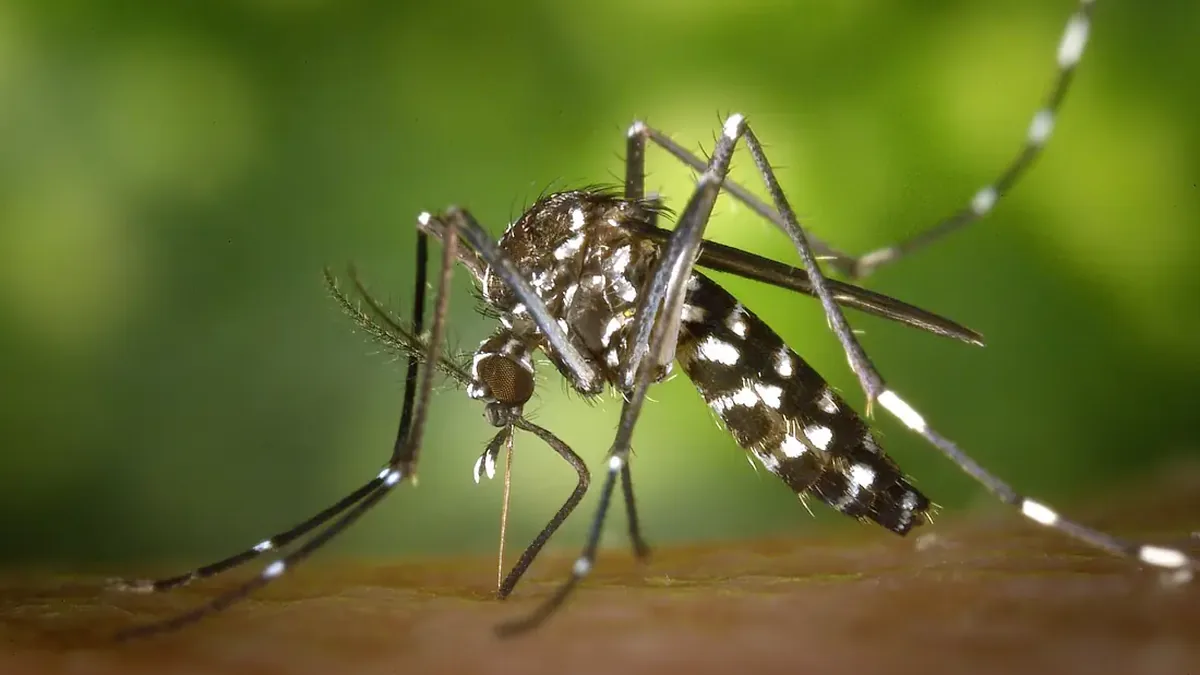
Ảnh muỗi Aedes albopictus đã có trên website Hội; báo cáo không kèm ảnh
Research7/10/2026
Vector-borne disease

National Statistics Office: more than 94,200 dengue cases and 14 deaths in Vietnam so far in 2026

The socio-economic report for the third quarter and first nine months of 2026, released by the National Statistics Office (Ministry of Finance) on the morning of 3 October 2026 and posted on the Government Portal on 5 October 2026, says that since the start of the year more than 94,200 people in Vietnam have had dengue fever, 14 of whom died.

Source: Cổng TTĐT Chính phủ
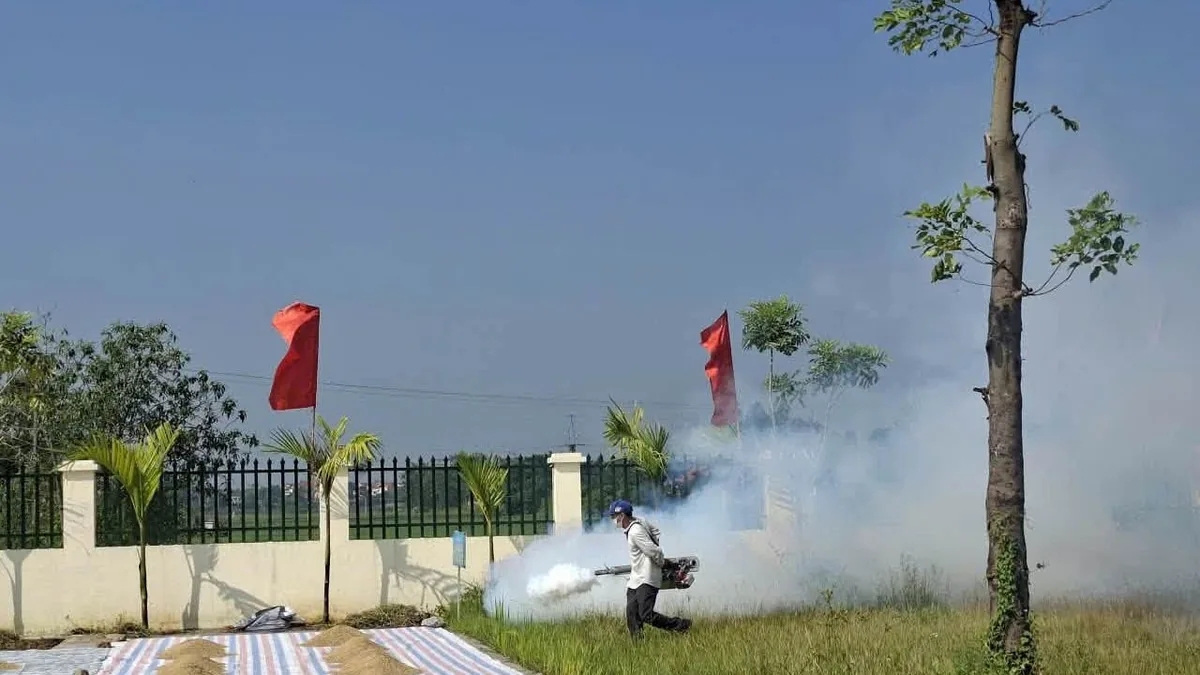
Nhân viên phun hóa chất diệt muỗi ngoài trời, ảnh CDC Hà Nội kèm bài VTV.vn
Research7/10/2026
Vector-borne disease

Hanoi, 25 September – 2 October 2026: 350 dengue cases, 40 fewer than the week before; 3,946 this year and 35 active outbreak sites

VTV.vn reported on 5 October 2026, citing the Hanoi Center for Disease Control (CDC Hanoi), that from 25 September to 2 October the city recorded 350 dengue cases in 81 wards and communes, 40 fewer than the previous week. Since the start of 2026 Hanoi has recorded 3,946 cases in 119 wards and communes, with no deaths.

Source: VTV.vn
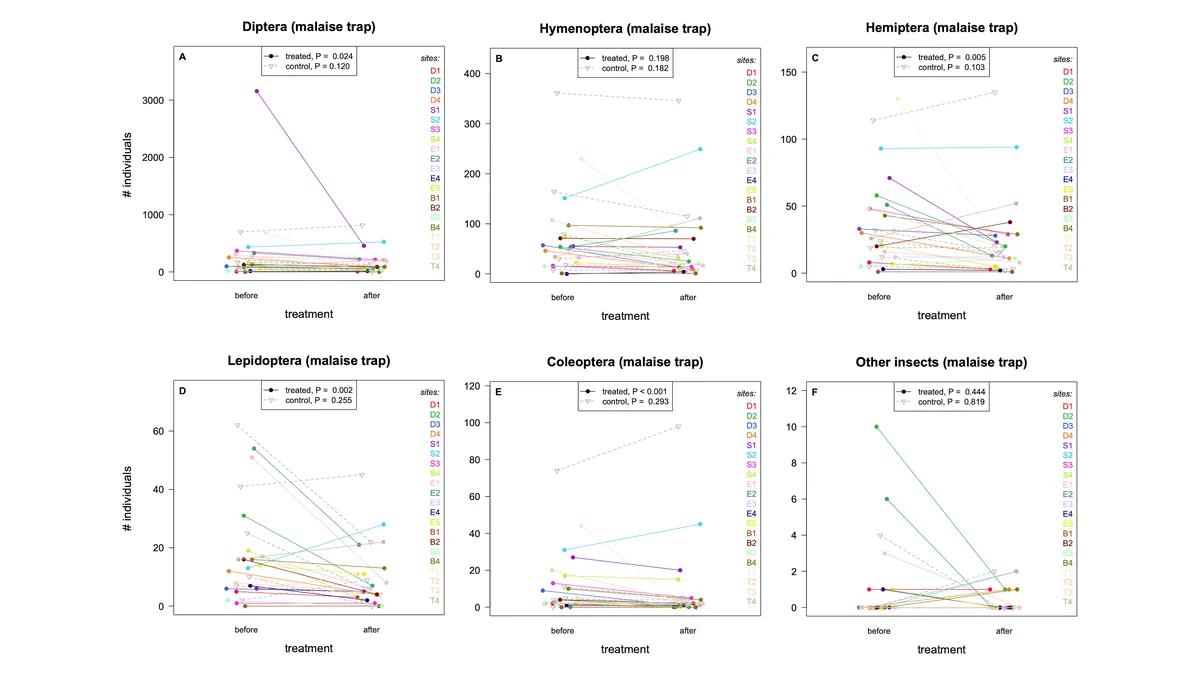
Biểu đồ số côn trùng không mục tiêu trong bẫy Malaise trước và sau khi phun, Hình 4 bài PLOS NTDs
Research7/10/2026
InsectsChemicals

PLOS NTDs: truck-mounted ULV deltamethrin spraying in Hungary cut mosquitoes by about 47%, but non-target insects also fell by more than 40%

A paper of 5 October 2026 in PLOS Neglected Tropical Diseases evaluated ground ultra-low volume (ULV) spraying with deltamethrin plus pyrethrum extract in Hungary, using a before–after–control–impact (BACI) design: mosquito numbers at treated sites fell by about 47% on average, while non-target flying insects, including pollinators, fell by more than 40%.

Source: PLOS Neglected Tropical Diseases
Cán bộ kiểm tra chum, vại chứa nước của hộ gia đình, ảnh tiêu biểu bài PLOS NTDs
Research7/10/2026
Vector-borne disease

PLOS NTDs: the E-Dengue early warning system in An Giang and Tay Ninh faced barriers in policy, coordination and the habit of worrying “only in the rainy season”

A paper of 25 September 2026 in PLOS Neglected Tropical Diseases interviewed in depth 15 people directly involved in the pilot of the E-Dengue early warning system (September–December 2025) in An Giang and Tay Ninh: a lack of supportive policy, limited understanding of early warning among stakeholders and operational difficulties kept alerts from turning into proactive larval control.

Source: PLOS Neglected Tropical Diseases
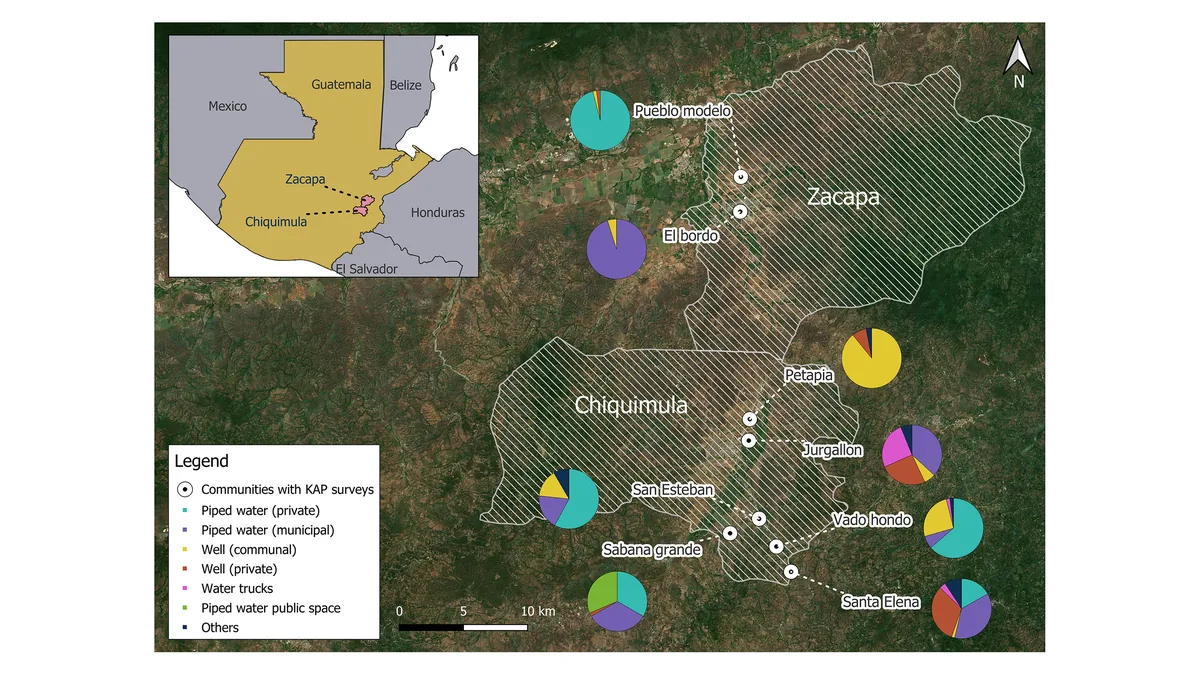
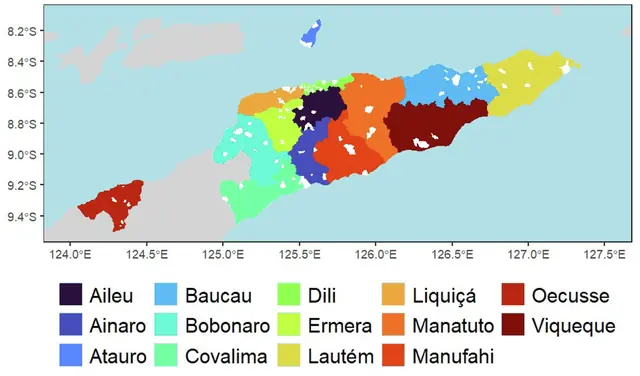
Bản đồ tám cộng đồng khảo sát ở Zacapa và Chiquimula và nguồn nước hộ gia đình, Hình 1 bài PLOS NTDs
Research6/10/2026
Insects

PLOS NTDs: communities in eastern Guatemala are open to larva-eating copepods if clearly guided, and the authors cite Vietnam’s experience

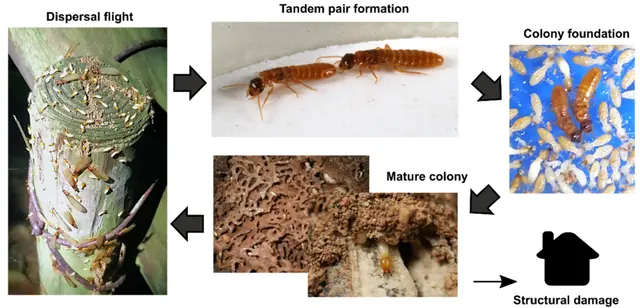
A paper of 3 September 2026 in PLOS Neglected Tropical Diseases surveyed knowledge, attitudes and practices (KAP) among 346 household representatives in eight communities of Zacapa and Chiquimula, Guatemala: about 90% knew mosquitoes spread dengue, yet 37% of households did nothing to remove breeding sites. Most were open to copepods (tiny crustaceans that eat mosquito larvae) if given information, technical support and assurance on water safety.

Source: PLOS Neglected Tropical Diseases
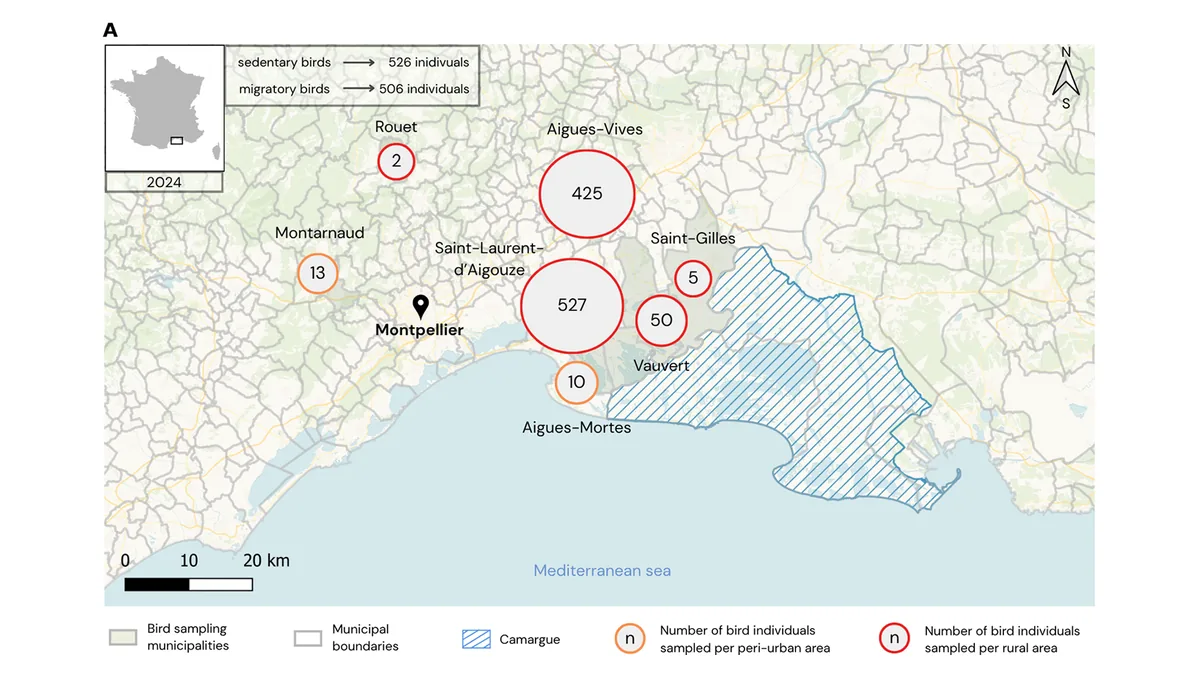
Bản đồ các điểm lấy mẫu chim ở miền Nam nước Pháp năm 2024–2025, Hình 1 bài PLOS NTDs
Research6/10/2026
Vector-borne disease

PLOS NTDs: West Nile and Usutu viruses circulate widely in wild birds in southern France and appear in birds before human cases

A paper of 3 September 2026 in PLOS Neglected Tropical Diseases: a Montpellier team sampled 2,533 wild birds of 69 species in the Camargue–Montpellier area over 2024–2025. Usutu virus RNA was found in 12.0% of birds and West Nile virus RNA in 4.3%; circulation was markedly higher in 2024 than in 2025.

Source: PLOS Neglected Tropical Diseases
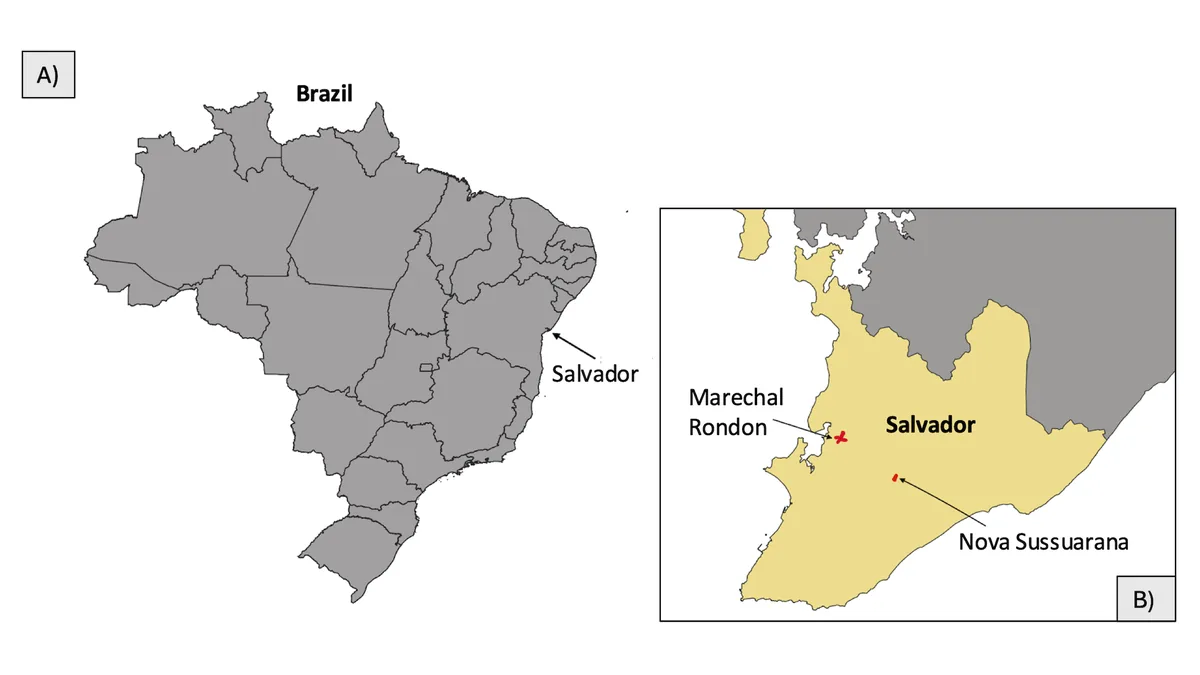
Bản đồ vị trí Salvador và hai cộng đồng nghiên cứu, Hình 1 bài PLOS NTDs
Research5/10/2026
Insects

PLOS NTDs: garbage in front of homes, open sewers within 10 m and open plastic containers raise Aedes egg counts in poor areas of Salvador, Brazil

A paper of 1 October 2026 in PLOS Neglected Tropical Diseases surveyed two low-income communities in Salvador, Brazil (March–December 2023): ovitraps at 174 households and an environmental survey at 119. Ae. aegypti egg counts were strongly linked to trap location, garbage in front of the house, living within 10 m of an open sewer and open plastic containers around the home.

Source: PLOS Neglected Tropical Diseases
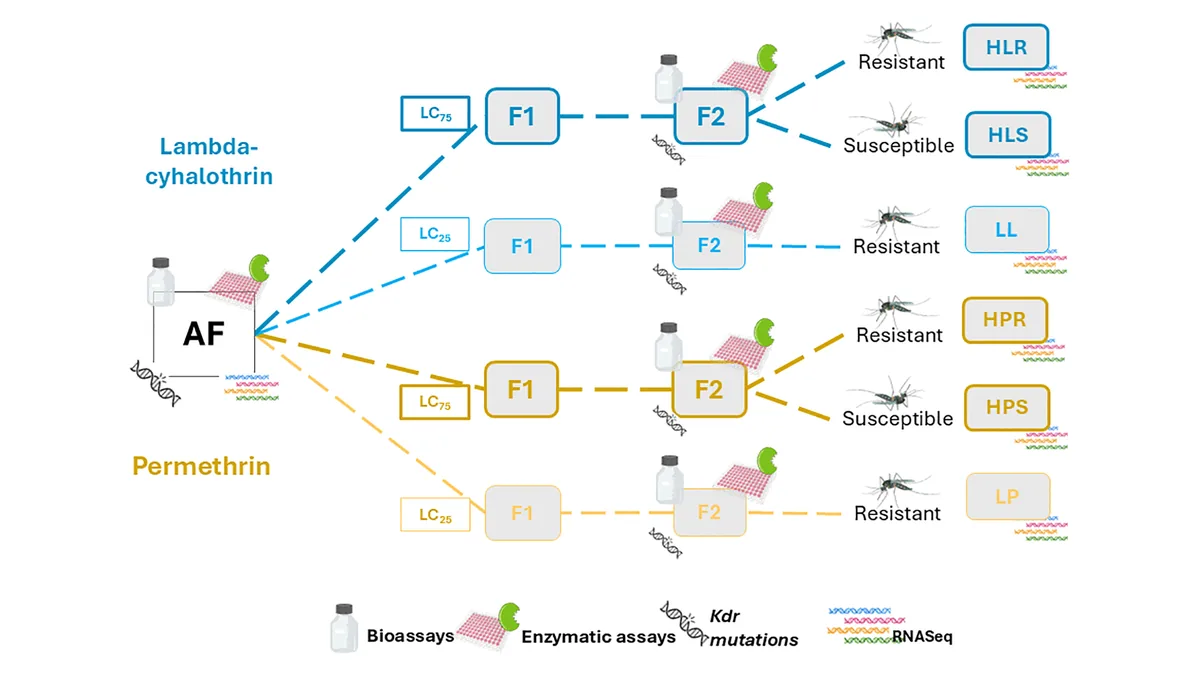
Sơ đồ thiết kế thí nghiệm chọn lọc bằng permethrin và lambda-cyhalothrin, Hình 1 bài PLOS NTDs
Research5/10/2026
InsectsChemicals

PLOS NTDs: permethrin and lambda-cyhalothrin trigger different resistance mechanisms in Colombian Aedes aegypti, depending on dose

A paper of 24 September 2026 in PLOS Neglected Tropical Diseases: a University of Antioquia team selected a resistant Colombian Ae. aegypti strain with permethrin (type I pyrethroid) and lambda-cyhalothrin (type II) at low (LC25) and high (LC75) concentrations, then measured kdr mutations, enzyme activity and RNA sequencing.

Source: PLOS Neglected Tropical Diseases
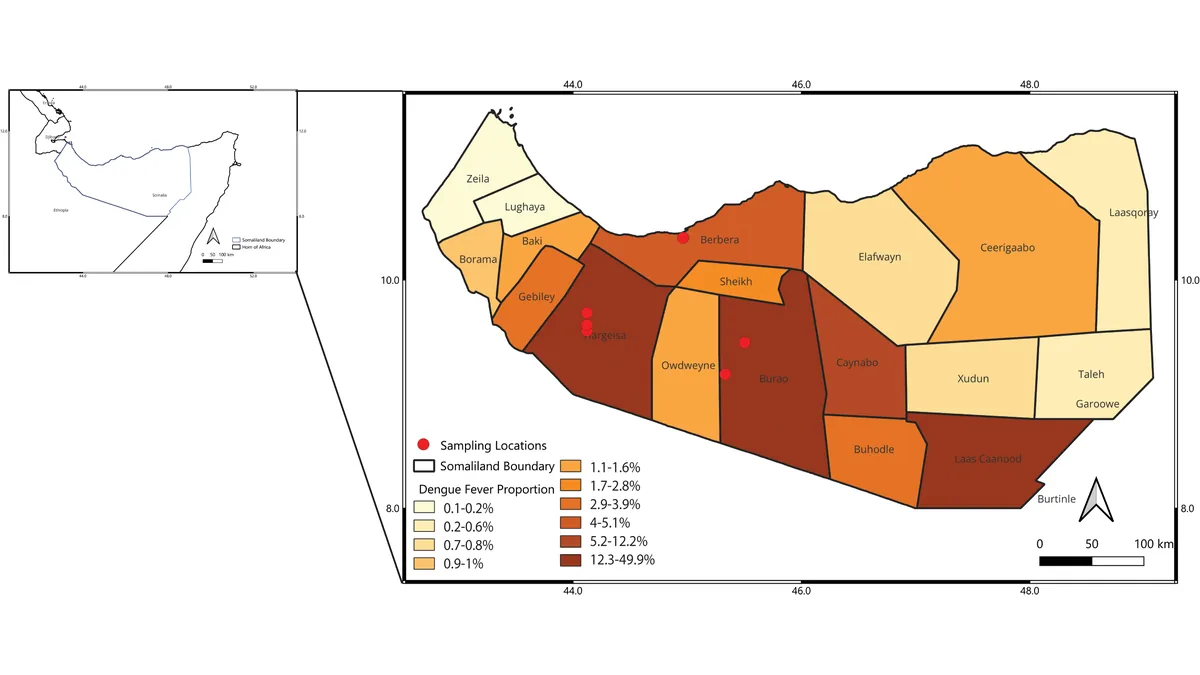
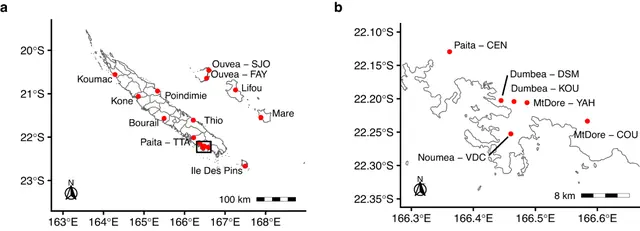
Bản đồ điểm thu mẫu Ae. aegypti tại Somaliland, Hình 1 bài PLOS NTDs
Research4/10/2026
Insects

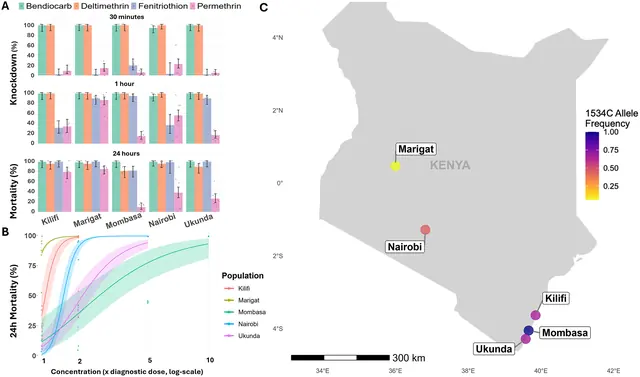
PLOS NTDs: Ae. aegypti in Somaliland carry kdr mutations and show pyrethroid resistance after dengue upsurges

A paper of 20 April 2026 in PLOS Neglected Tropical Diseases reports a molecular survey of Ae. aegypti in Hargeisa, Berbera and Burao (Somaliland) after dengue upsurges in 2022–2024. Voltage-gated sodium-channel mutations S989P, V1016G and F1534C were found; WHO bioassays in Hargeisa and Burao showed resistance to the pyrethroids tested.

Source: PLOS Neglected Tropical Diseases
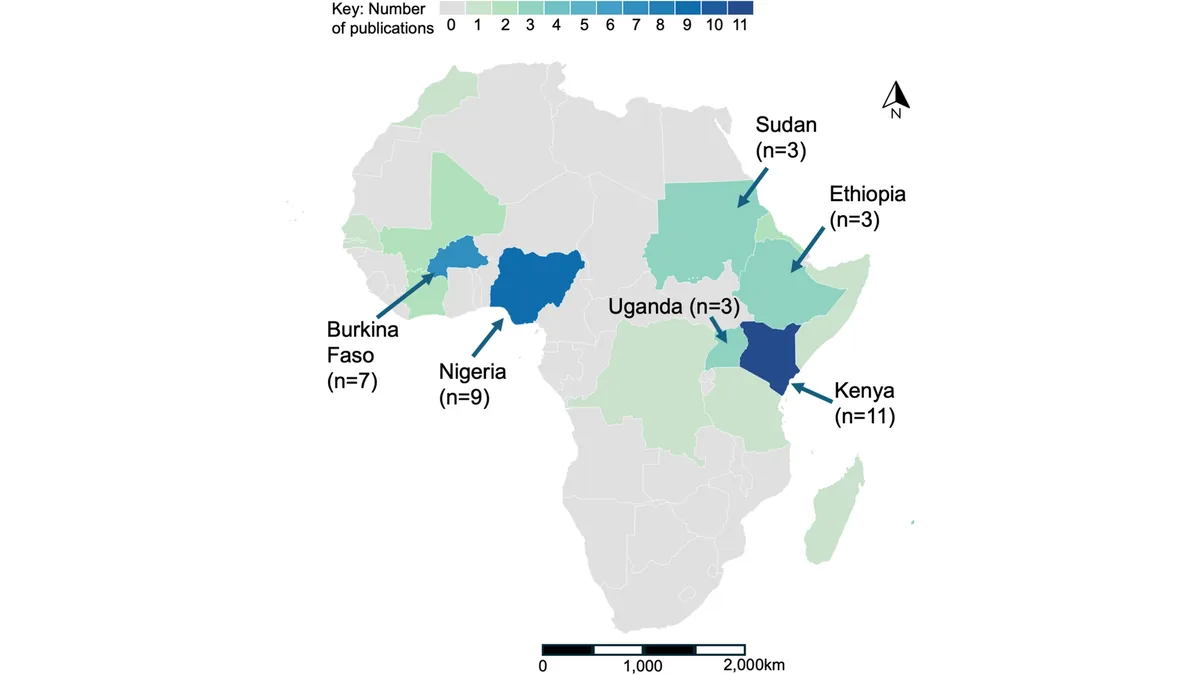
Bản đồ số công bố về Aedes tại châu Phi, Hình 2 bài Parasites & Vectors
Research4/10/2026
Insects

Parasites & Vectors: scoping review of Aedes surveillance, control and insecticide resistance in Africa (1980–2023)

Published on 17 October 2025: a scoping review of 877 full-text papers on Aedes vector surveillance, control and insecticide resistance in Africa (1980–2023). Only Senegal and La Réunion had published sustained surveillance systems; RCT/epidemiological evidence on control effectiveness remains thin; many resistance tests used Anopheles doses and may underestimate Aedes resistance.

Source: Parasites & Vectors
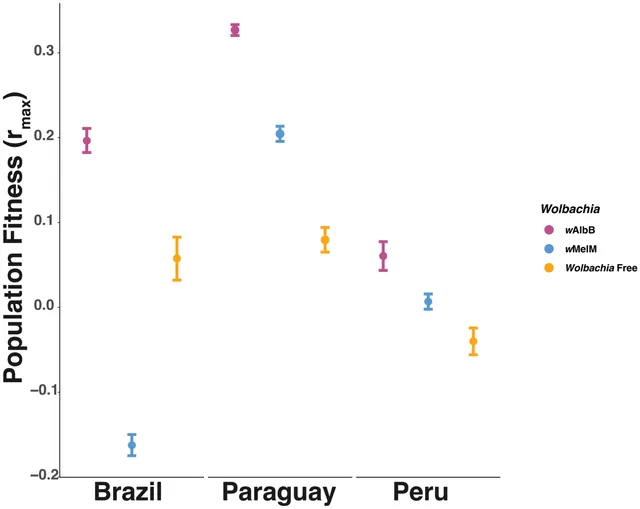
Minh họa muỗi wAlbB, đĩa nuôi cấy và lồng thí nghiệm
Research3/10/2026
Insects

PLOS NTDs: a Taiwan Aedes aegypti line with wAlbB (Tw-Kao) blocks dengue and Zika in the laboratory

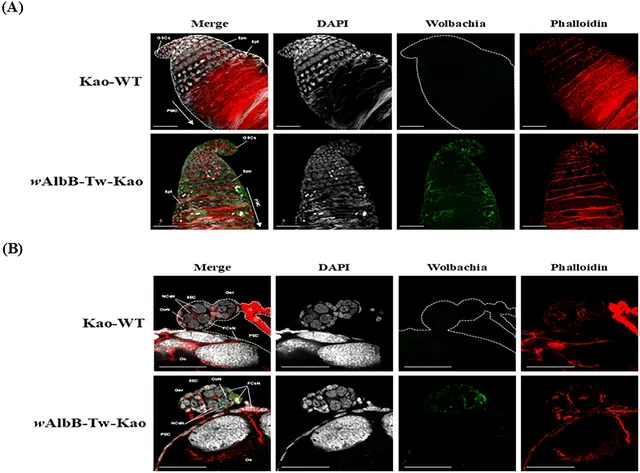
A paper of 4 May 2026 in PLOS Neglected Tropical Diseases describes a local Ae. aegypti line carrying Wolbachia wAlbB (wAlbB-Tw-Kao) from Kaohsiung Ae. albopictus. The line showed 100% maternal transmission, complete cytoplasmic incompatibility, lower DENV-2 and Zika titres, and up to about 90% lower egg hatch in cage releases of males.

Source: PLOS Neglected Tropical Diseases
Minh họa xô nước đọng, bẫy gặm nhấm và biểu tượng bảo vệ sau mưa lũ
Research1/10/2026
Vector-borne disease

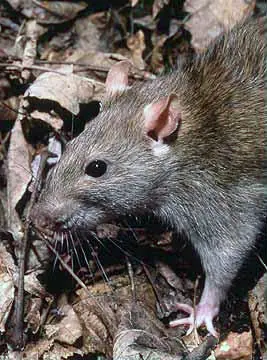
Leptospirosis after floods: rodents, dirty water, and how to lower the risk

A VectorIS summary citing CDC says leptospirosis is caused by Leptospira bacteria in the urine of infected animals and can rise after storms or floods. Incubation is often 2–30 days. Prevention includes avoiding swimming or wading in suspect water, covering wounds, wearing waterproof boots, and controlling rodents.

Source: VectorIS
Full article: Vietnamese
Minh họa muỗi truyền bệnh, biểu tượng tim và đĩa nuôi cấy
Research1/10/2026
Vector-borne diseaseInsects

Heartworm in dogs (Dirofilaria): mosquito bites, signs, and prevention without naming products

VectorIS, citing CDC, says Dirofilaria immitis infection in dogs is heartworm disease, transmitted by mosquitoes (Aedes, Anopheles, Mansonia). In dogs it can block the pulmonary artery and cause cough and fatigue on exercise. Prevention is fewer mosquito bites and asking a veterinarian about a prevention schedule. The article names no brand.

Source: VectorIS
Full article: Vietnamese
Minh họa chai thử nghiệm, ống nghiệm và muỗi trong phép đo kháng hoá chất
Research1/10/2026
ChemicalsInsects

The CDC bottle bioassay: reading insecticide resistance against a diagnostic time

VectorIS, citing CDC, says the bottle bioassay coats a bottle with a diagnostic dose, introduces mosquitoes, and watches them for two hours. Resistance is read from mortality at the diagnostic time: 98–100% susceptible, 90–97% resistance developing, under 90% resistant.

Source: VectorIS
Full article: Vietnamese
No matching item.

← All sections